A
ARLYN
B
BARREIRO
A
ANTONIO
B
BURGOS
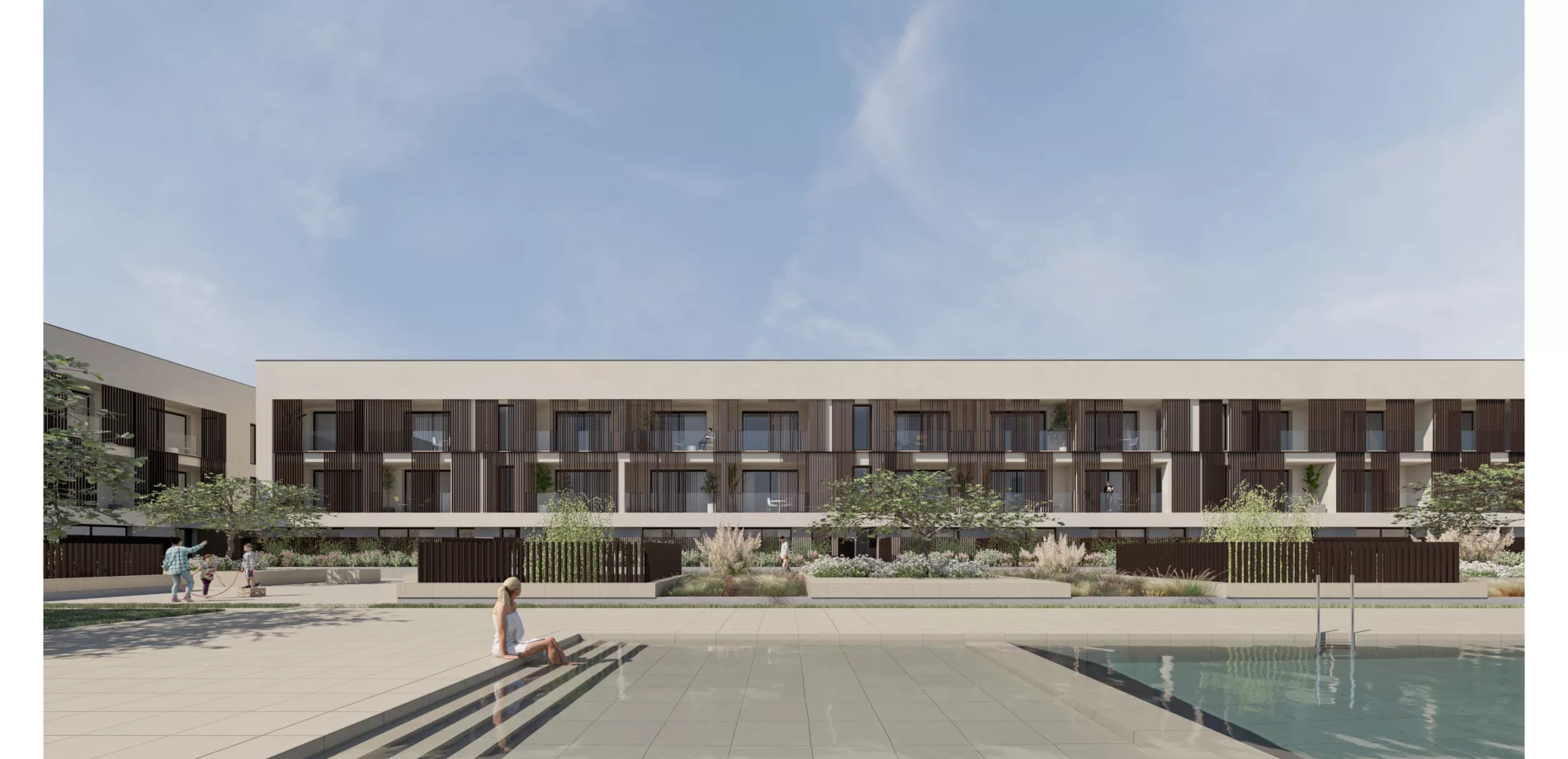
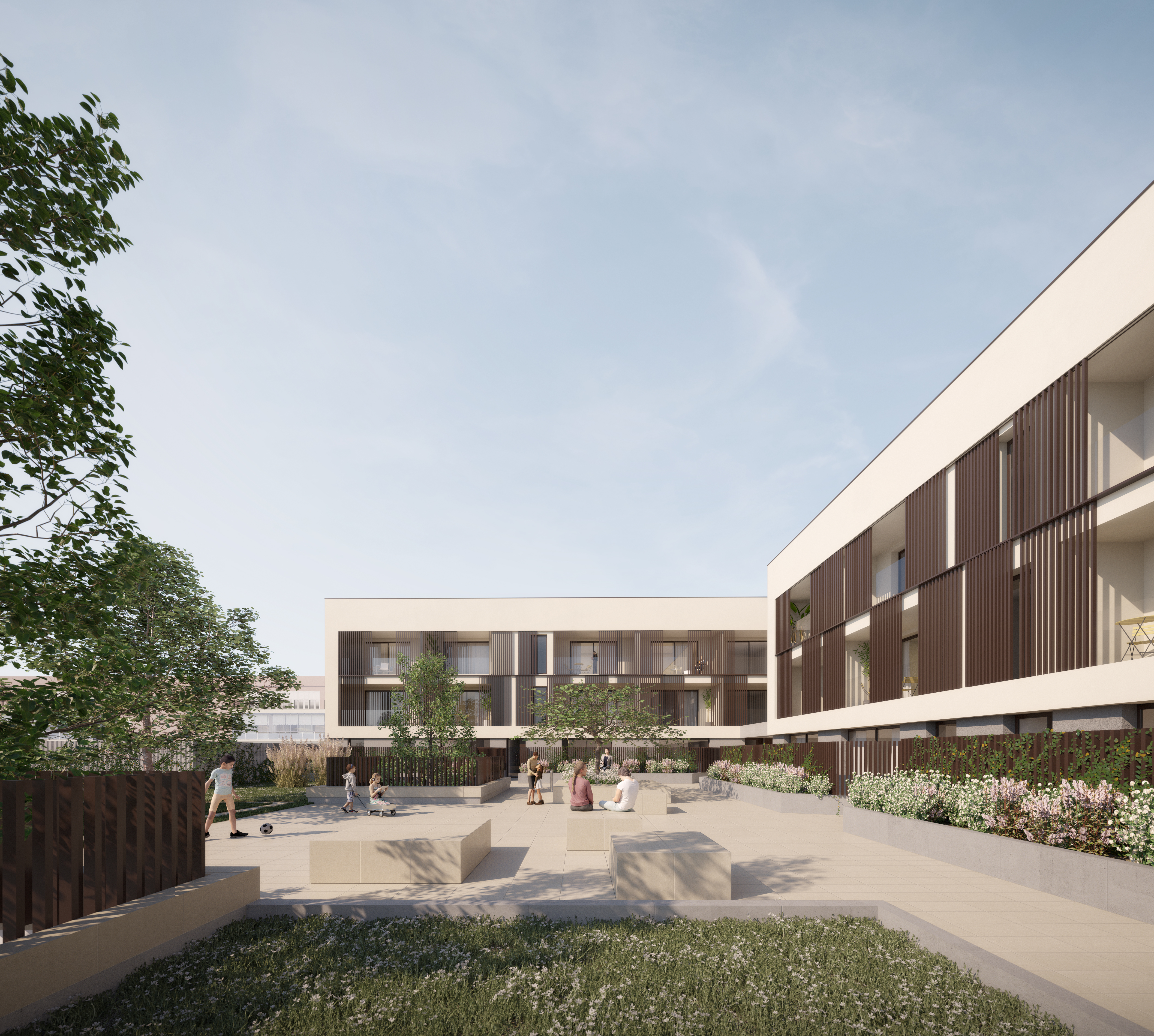
The La Soledad neighbourhood, where the project is located, is an area in growth and transformation, rich in culture and character. It was one of the main centres of industrial and manufacturing development in Palma during the mid-19th century. Remnants of textile and footwear factories still remain, many of which have now been converted into museums, parks, and cultural buildings dedicated to civic and community activities.
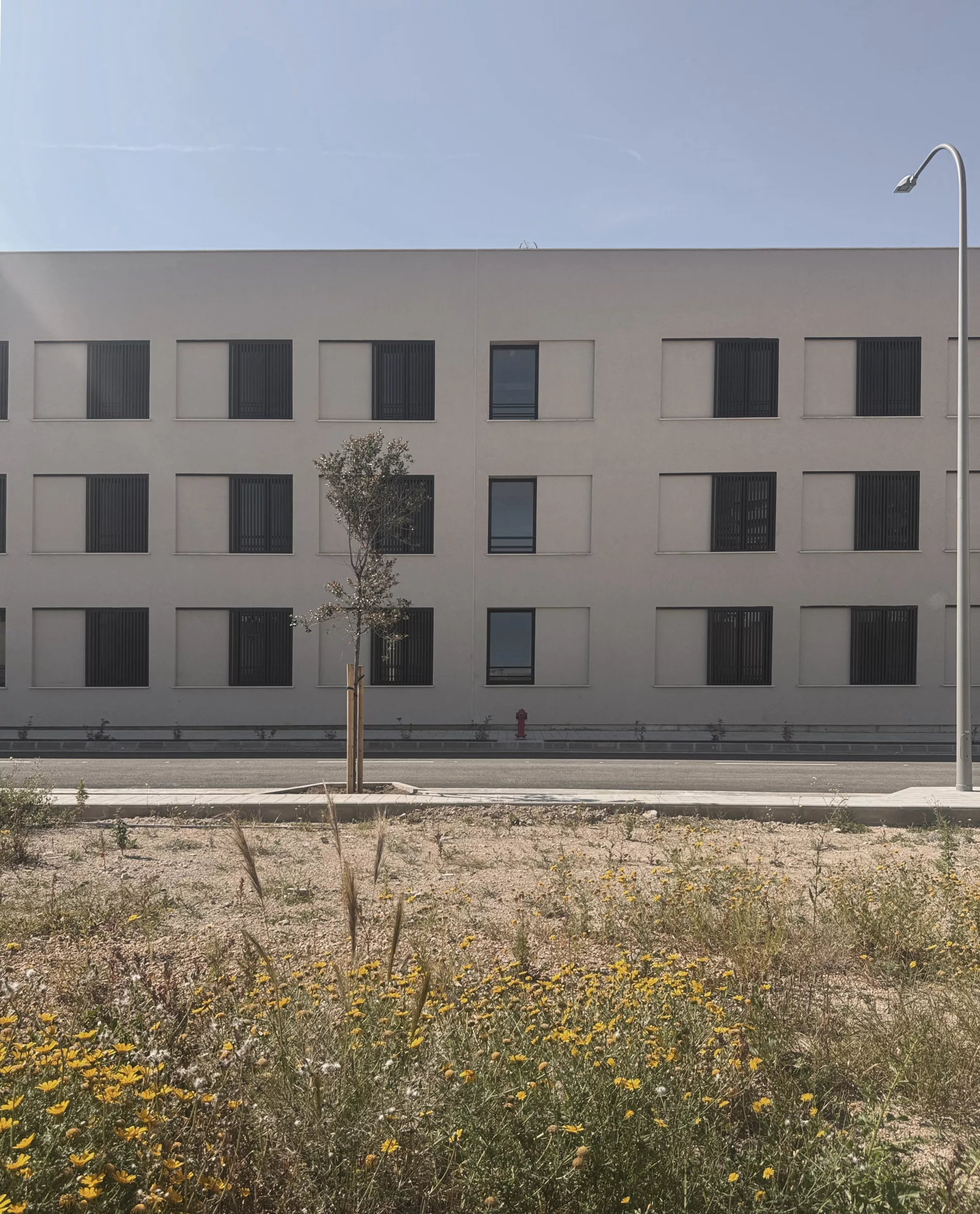
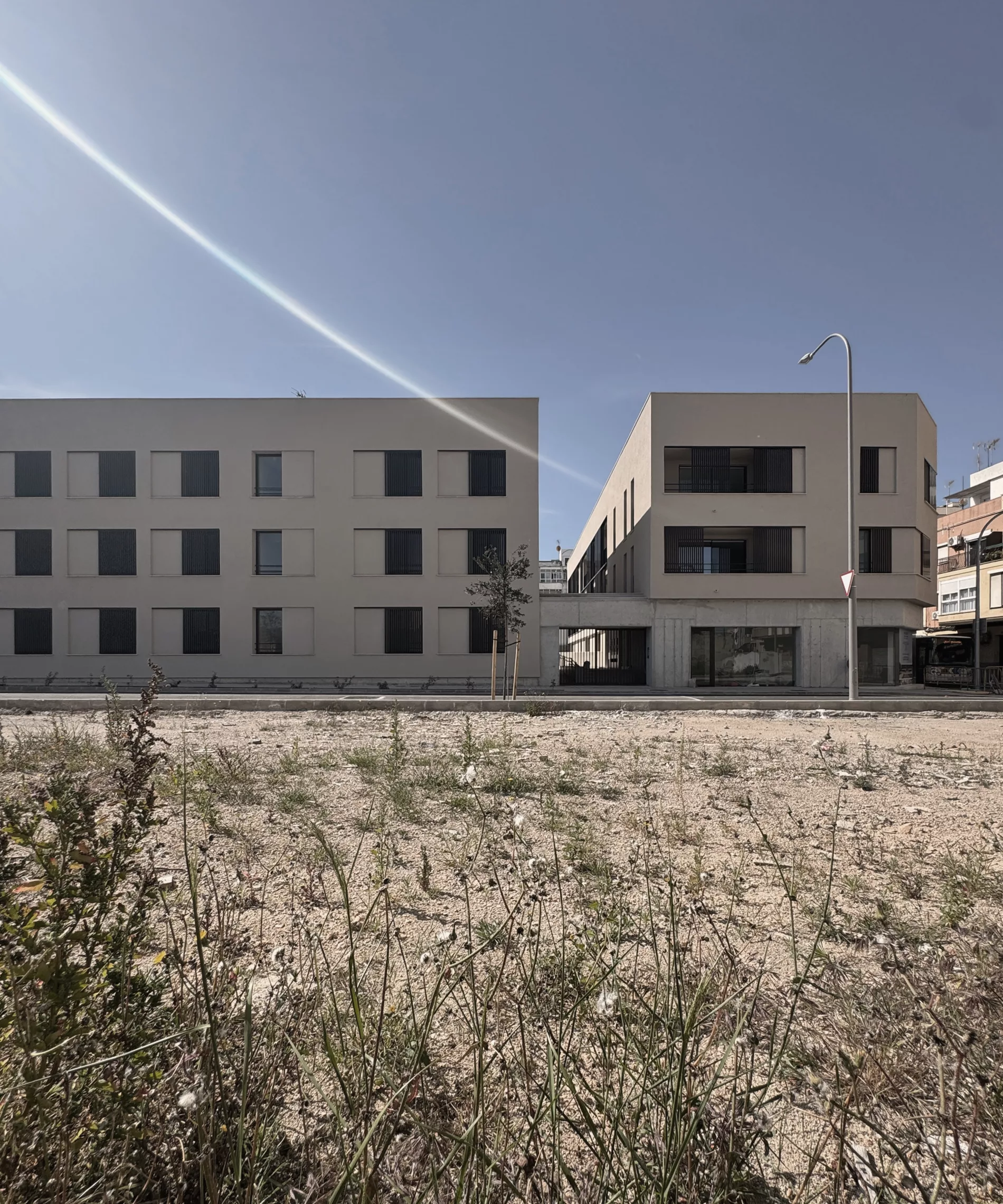
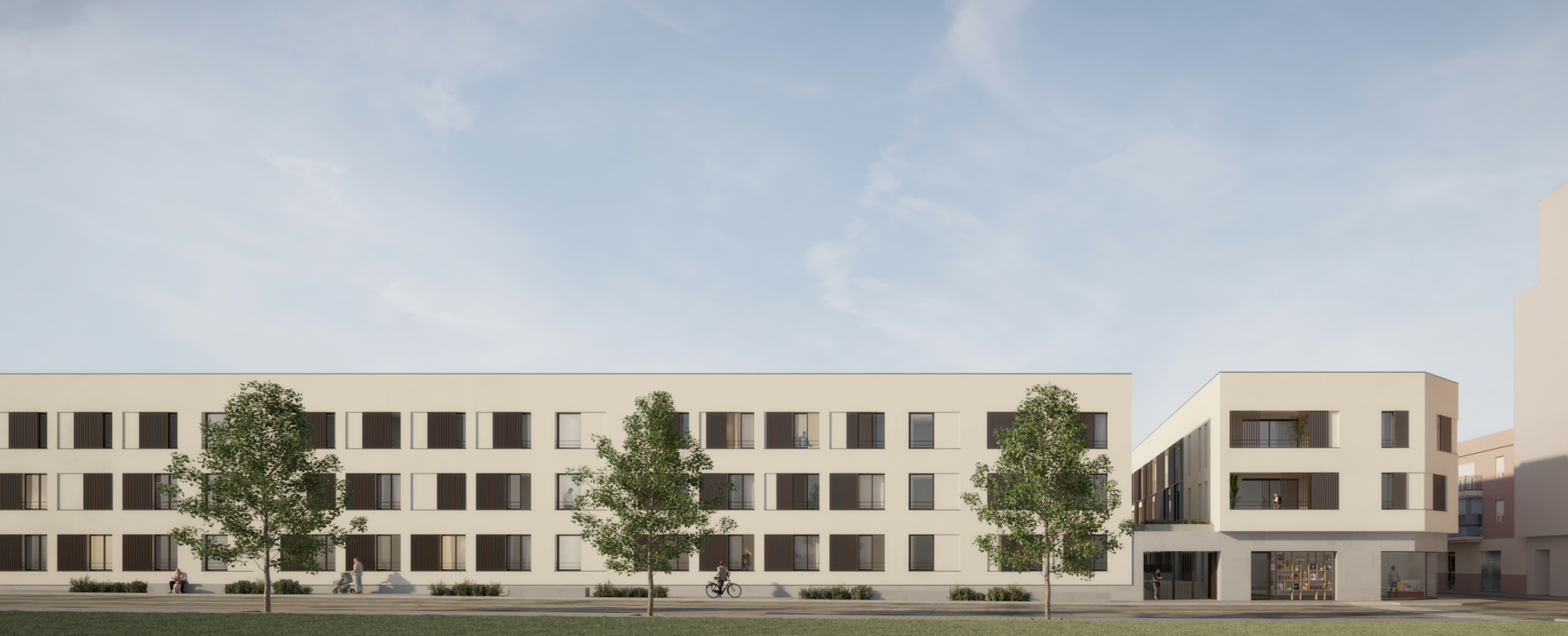
The proximity of the motorway, which borders the site along one side, together with the creation of a new 90-metre-long street as part of the brief—intended to act as a link with a future public facility of social character and the planned municipal green space—define the starting point of the project.
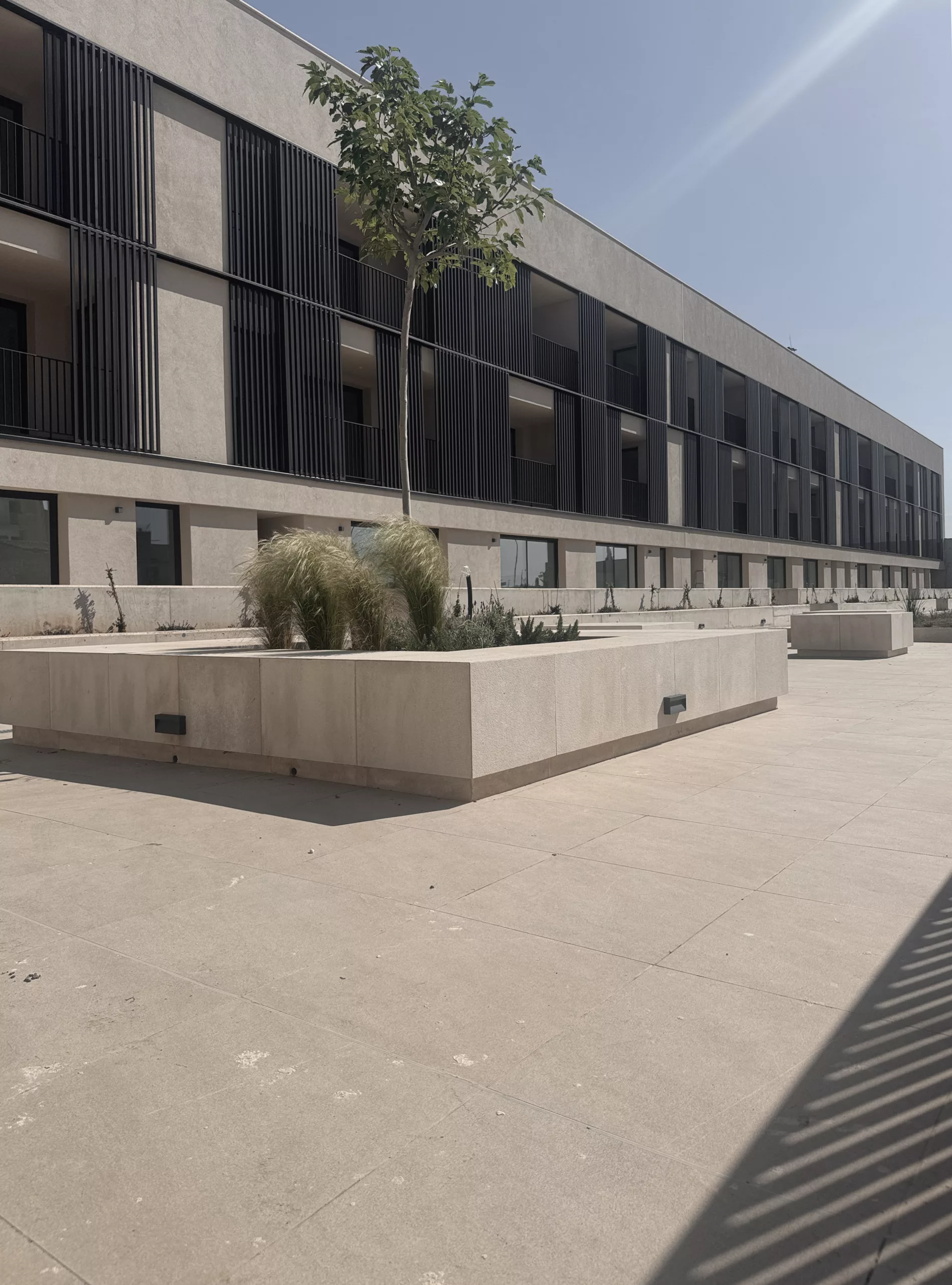
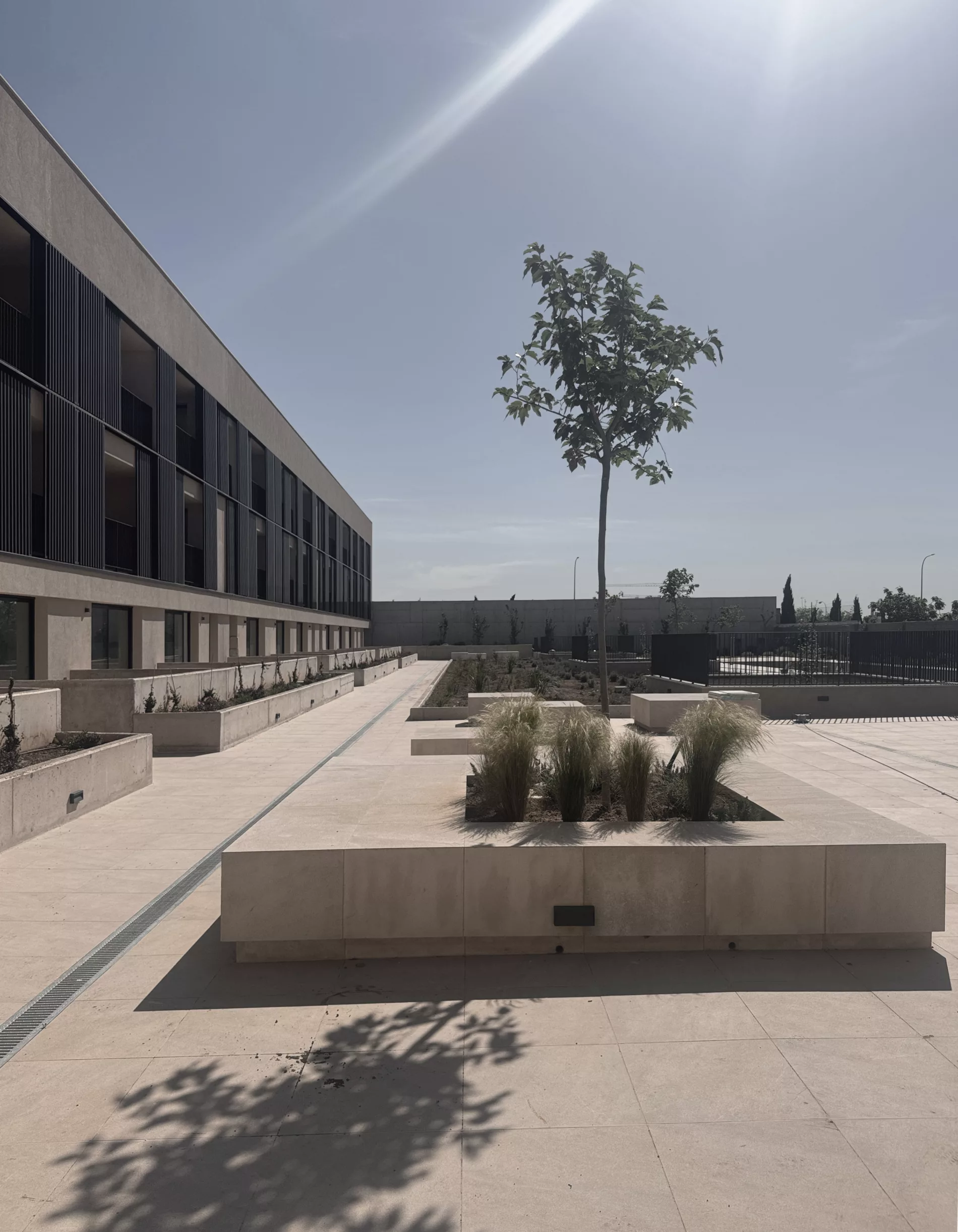
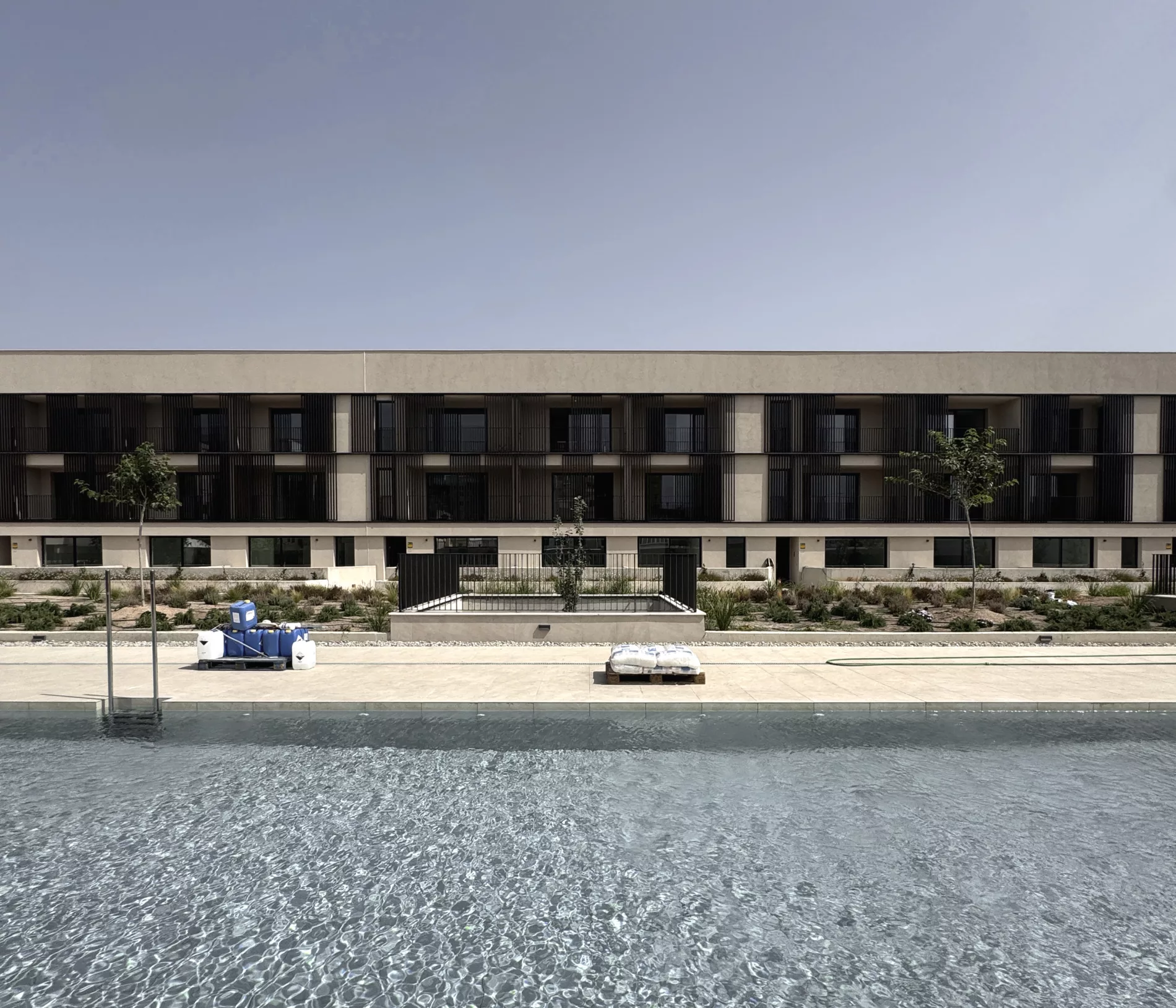
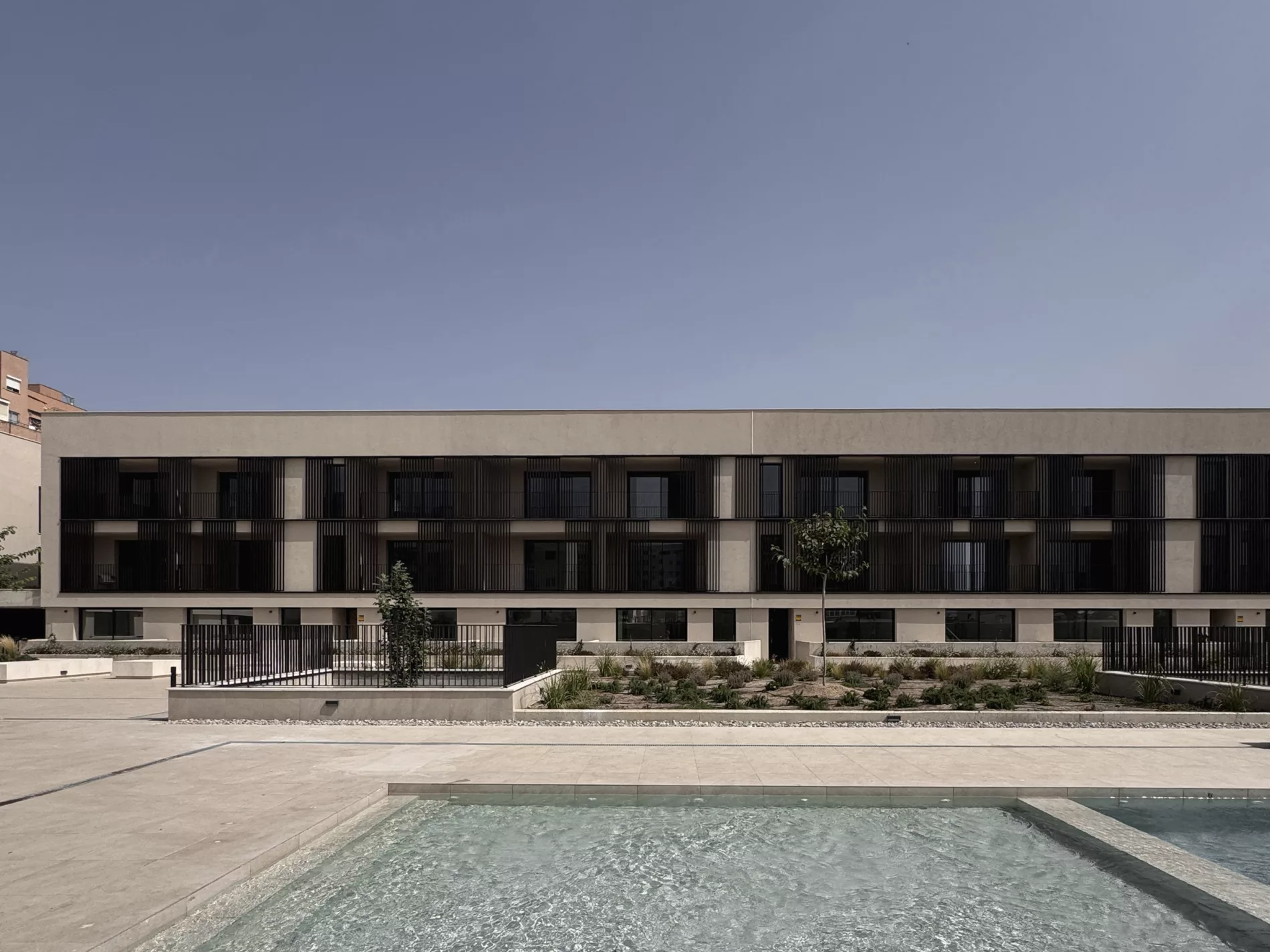
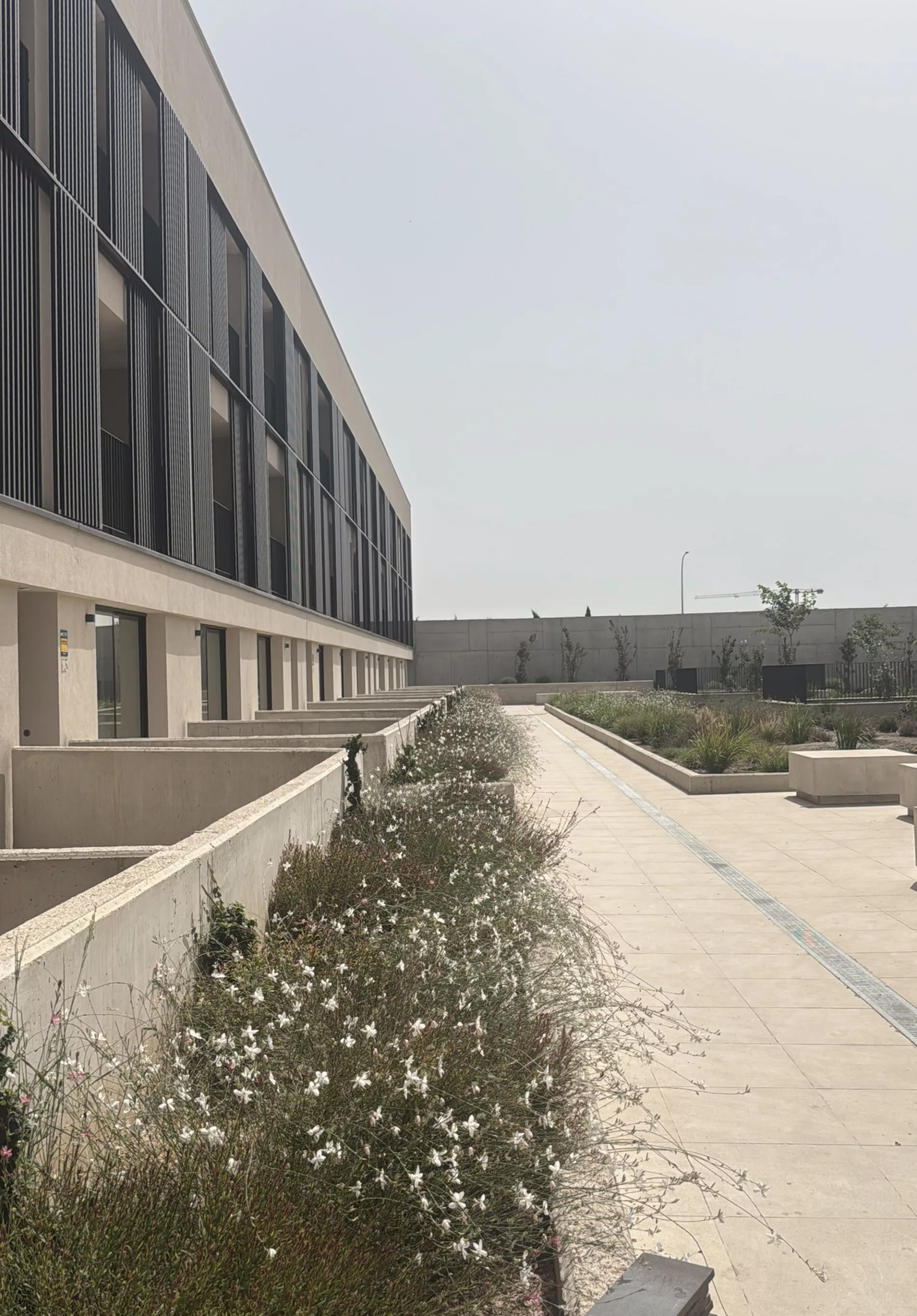
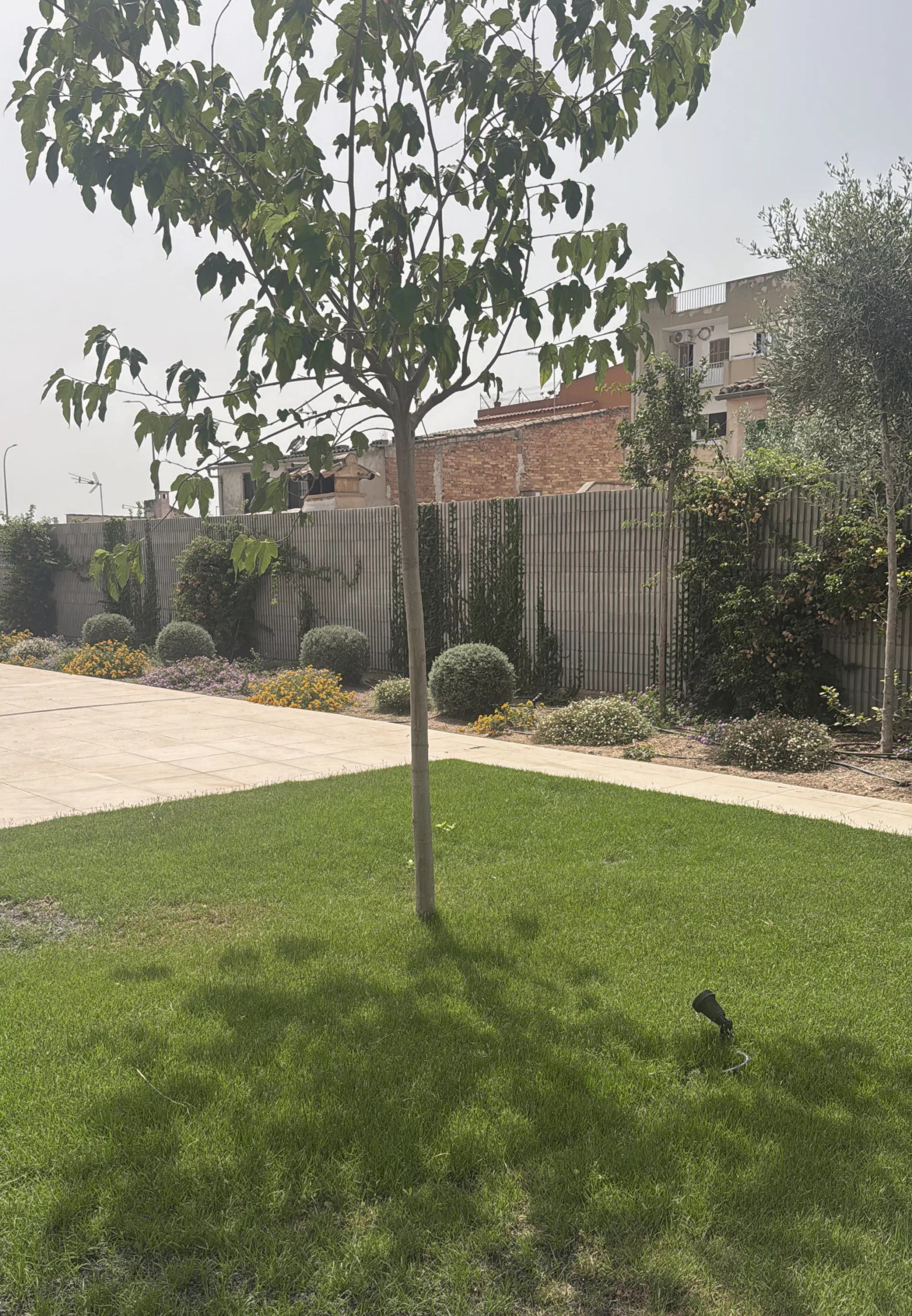
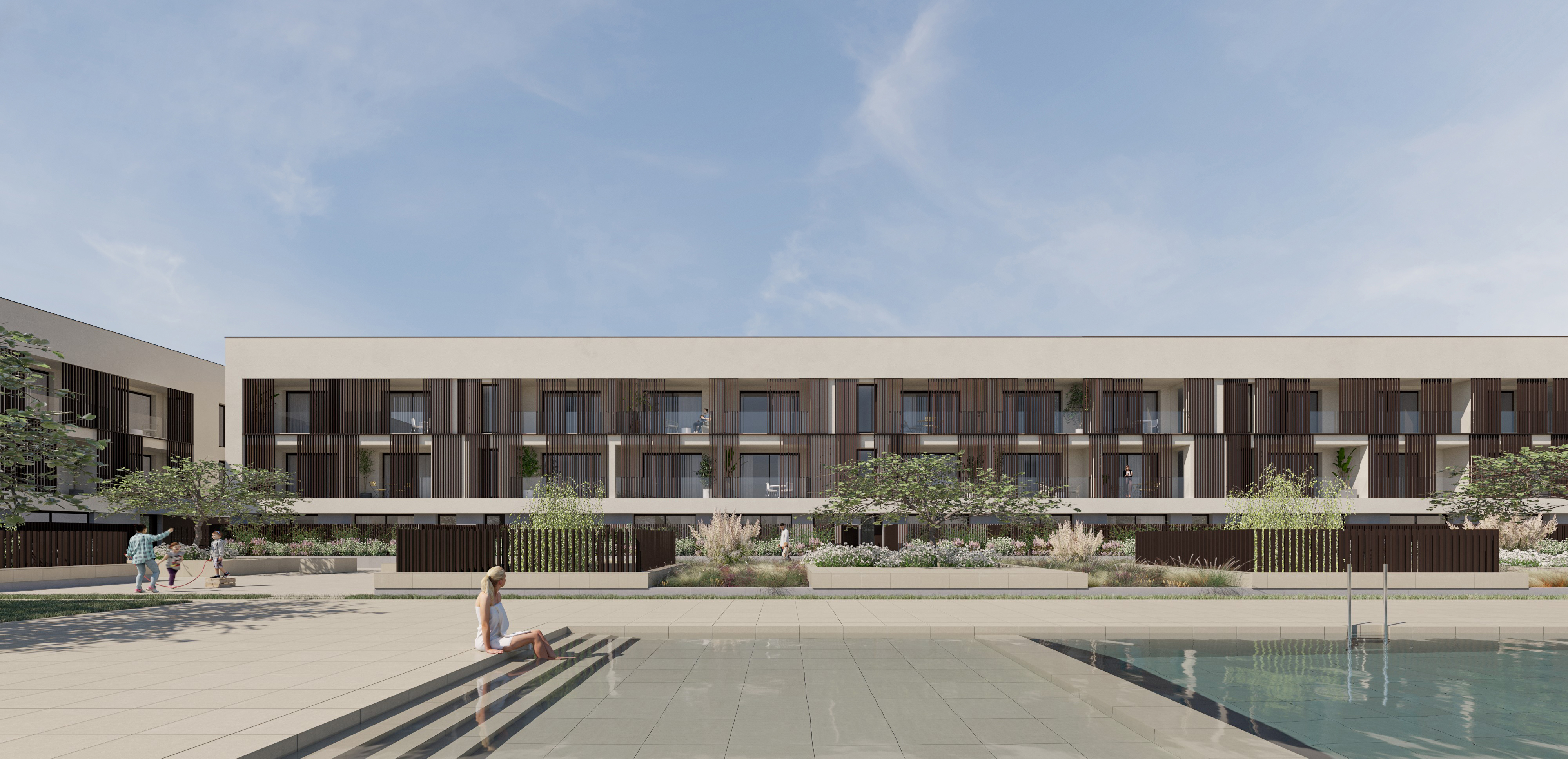
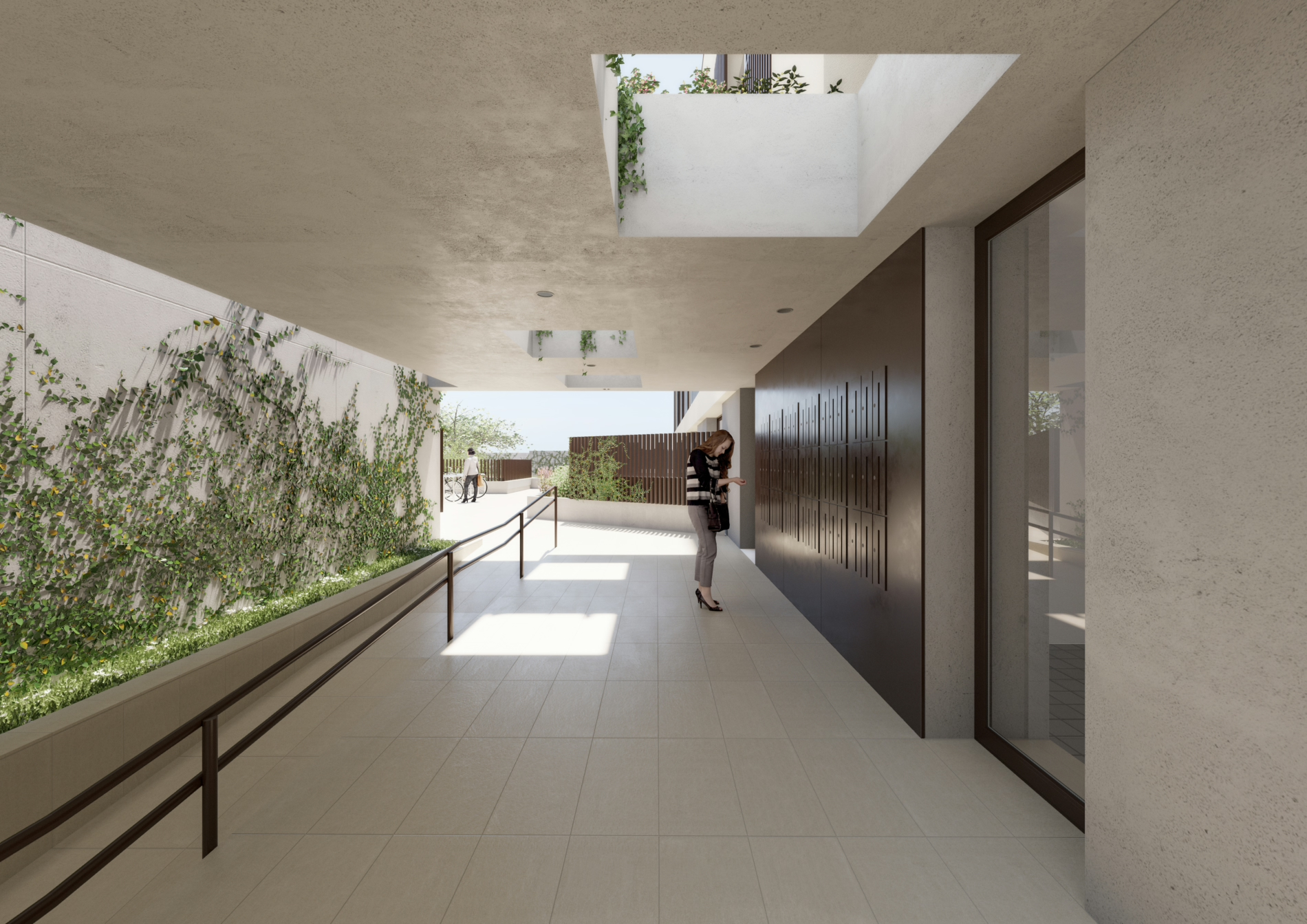
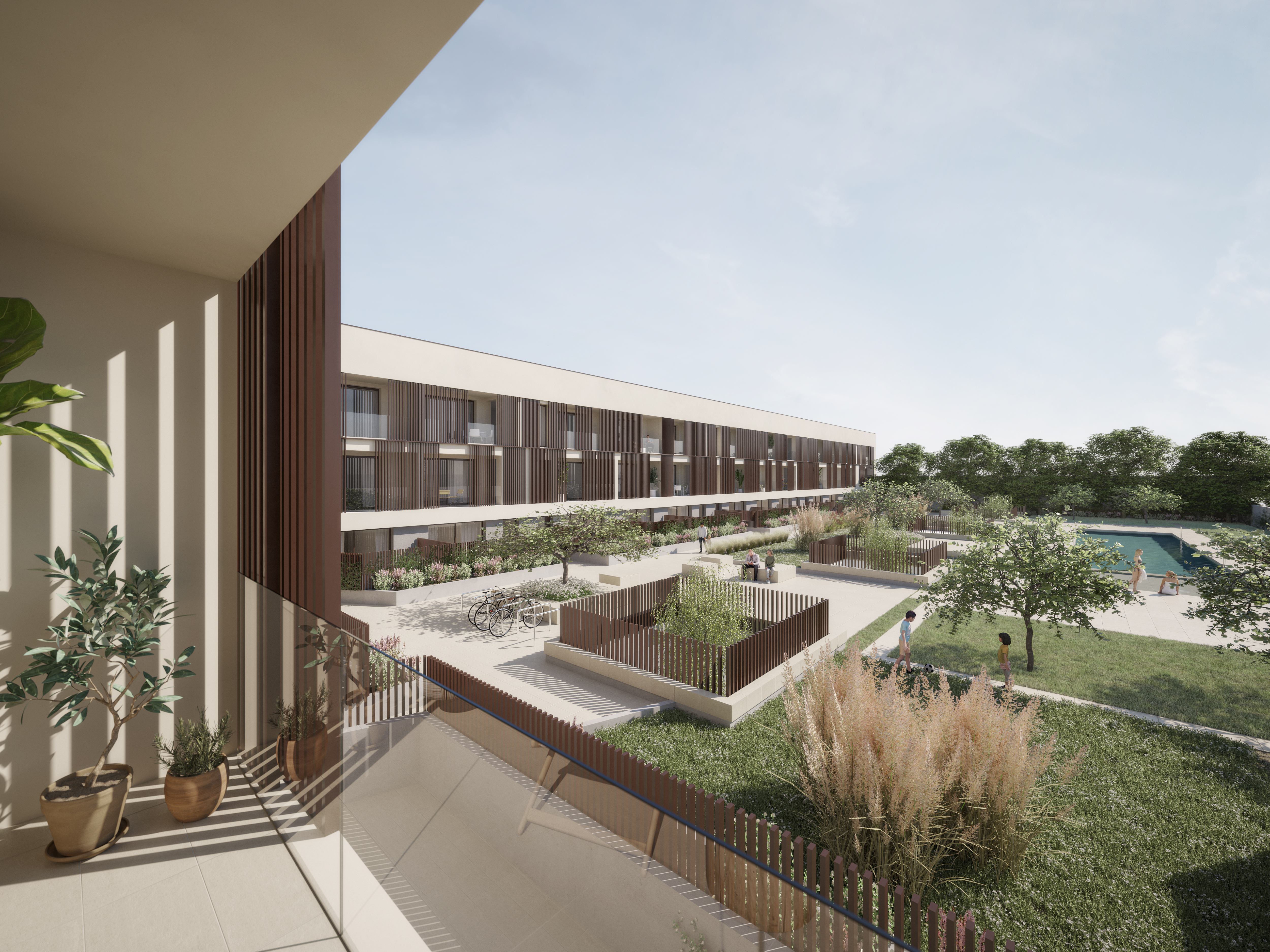
Composed of two separated volumes, access is defined through the void created between them. This space is protected by a green roof that connects both volumes and is gradually perforated, allowing natural light to filter through and revealing the vegetation above. These volumes are positioned along the street edge, generating a central 2,000-square-metre space conceived as a large communal courtyard composed of gardens, swimming pools, sunbathing areas, and plazas. This green space accommodates a dense tree mass that helps to reduce and dissipate the noise generated by the motorway.
From the outset, the project has been guided by principles of low maintenance and maximum energy efficiency, achieving an A energy certification. A constant focus throughout the design process has been the relationship between the interior of the building and the exterior, where landscaped areas and green spaces provide places for outdoor living.
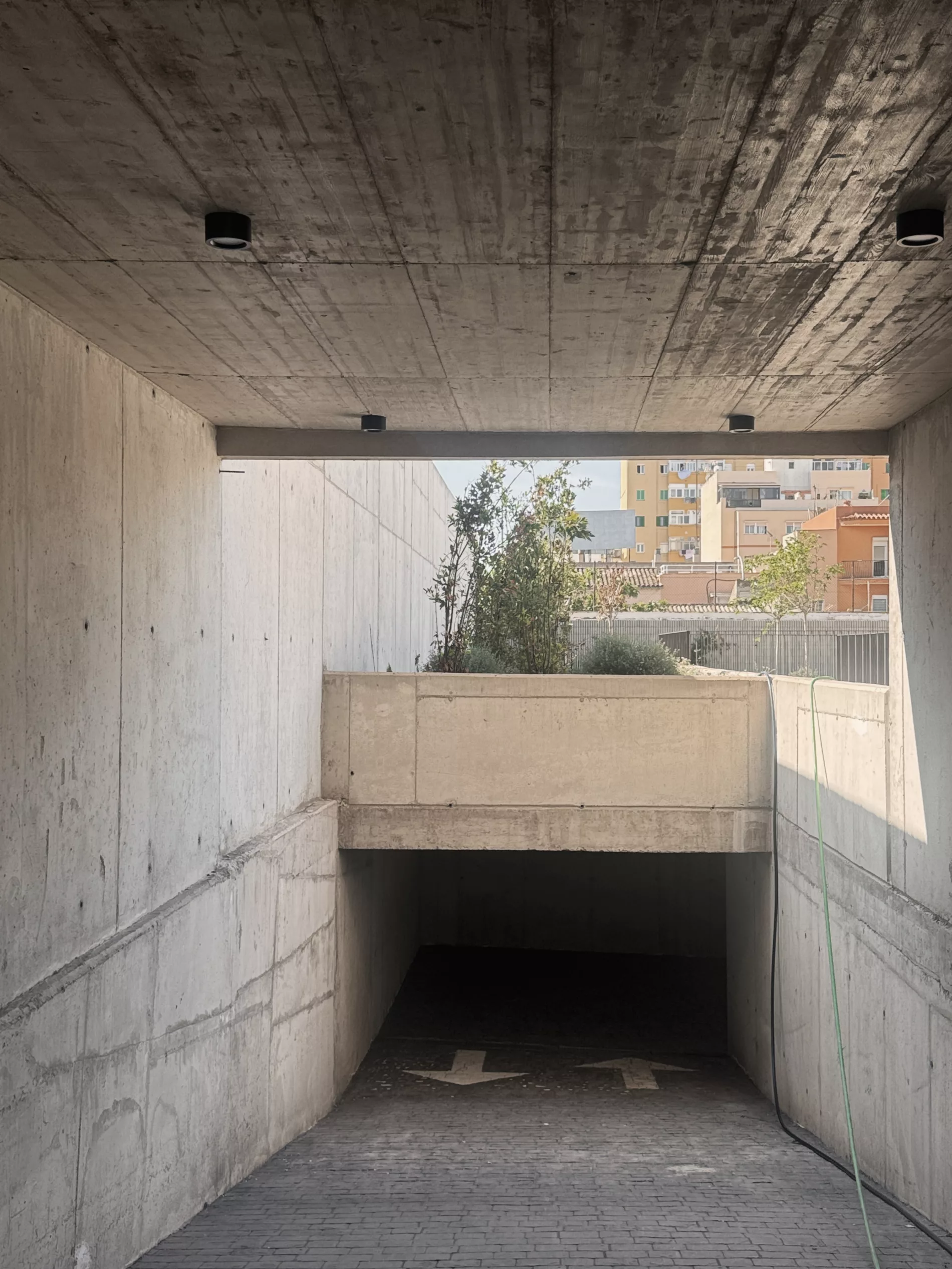
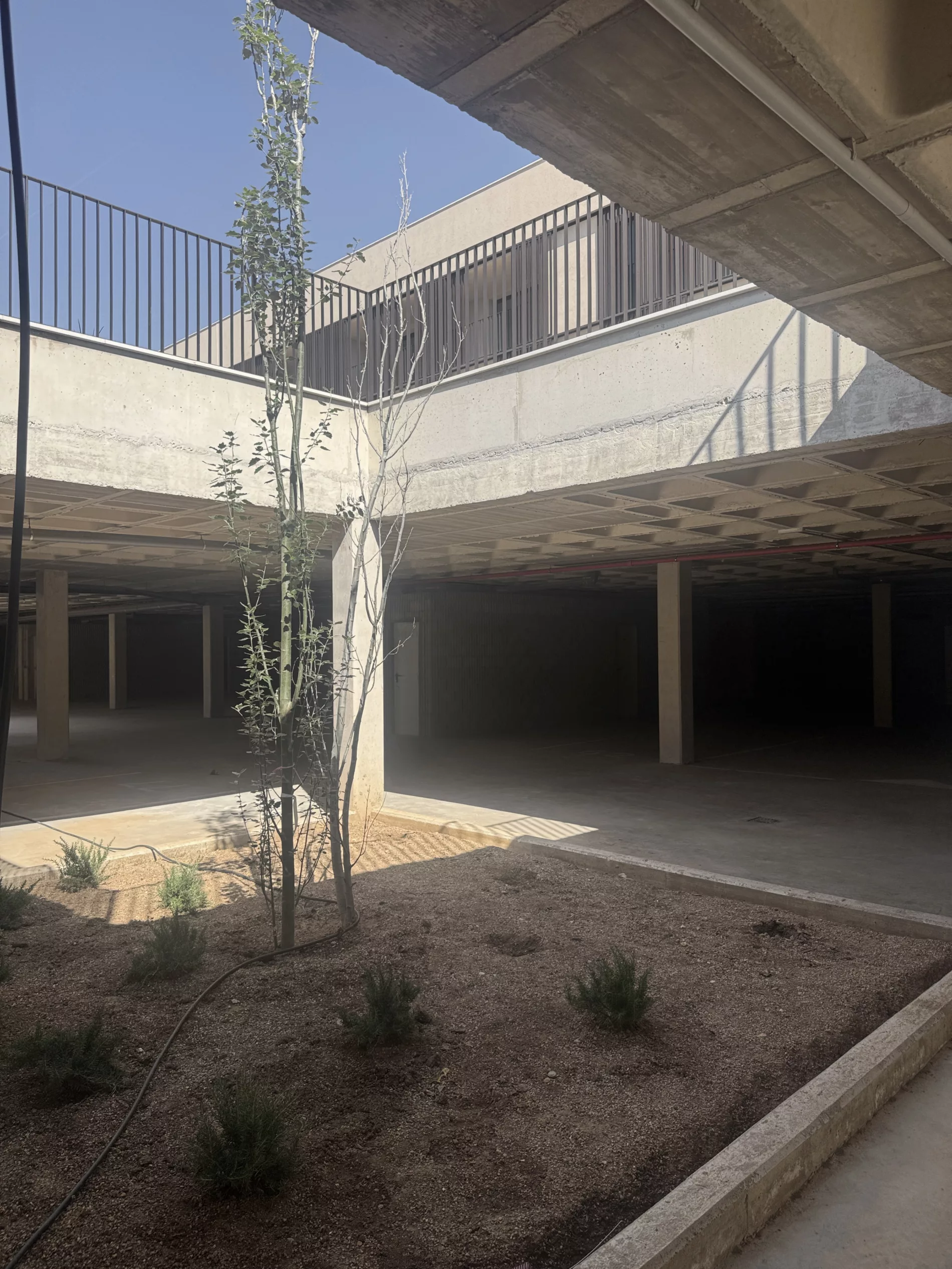
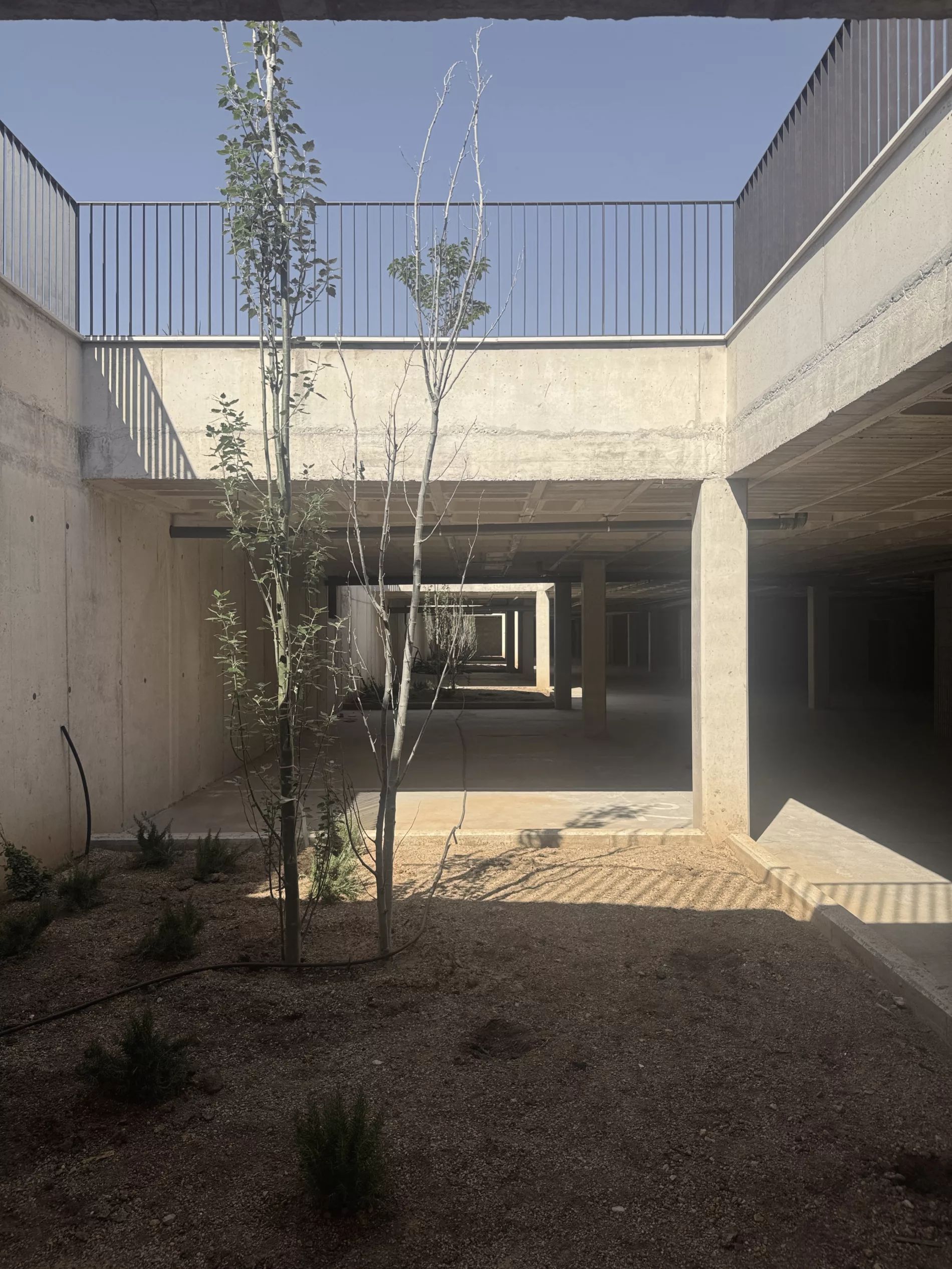
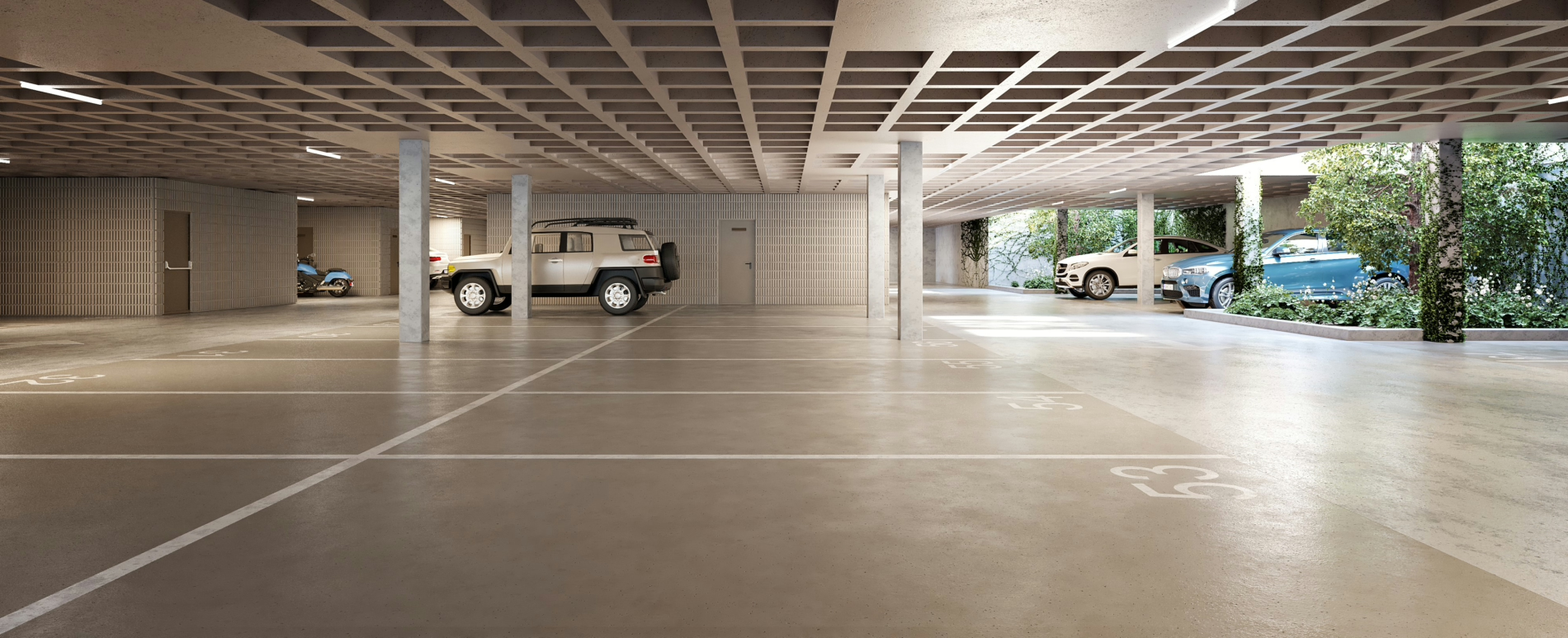
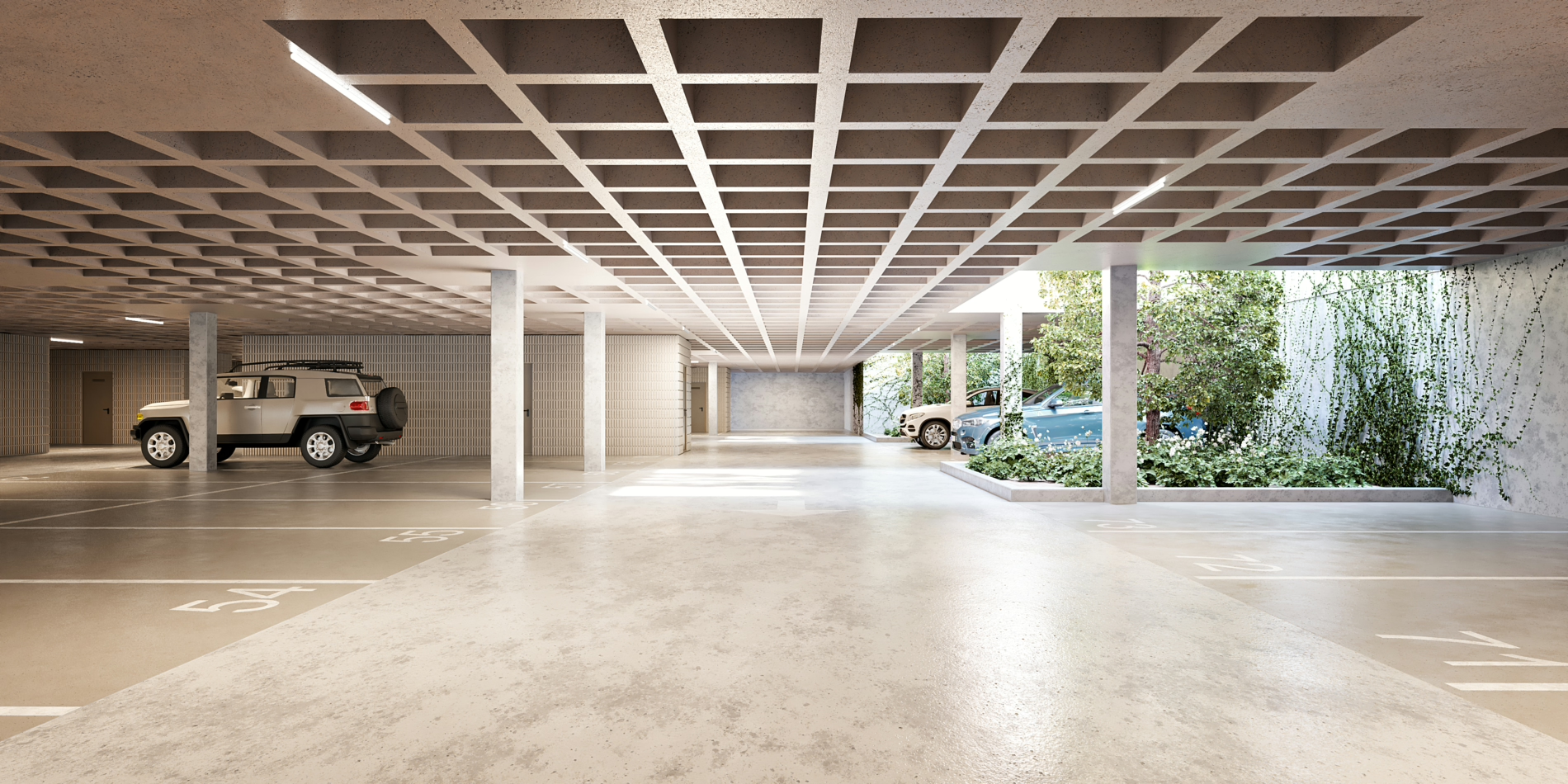
Perforating spaces to allow light, ventilation, and vegetation to enter is a strategy that gradually shapes the building. This approach is particularly evident at basement level, where mechanical ventilation is eliminated in favour of passive strategies. Instead, four large courtyards are introduced, planted with trees and a variety of native species, along with additional openings that bring natural light and ventilation into the space. These voids keep the building constantly connected to the exterior and its vegetation, while also allowing the interior to remain perceptible from outside.
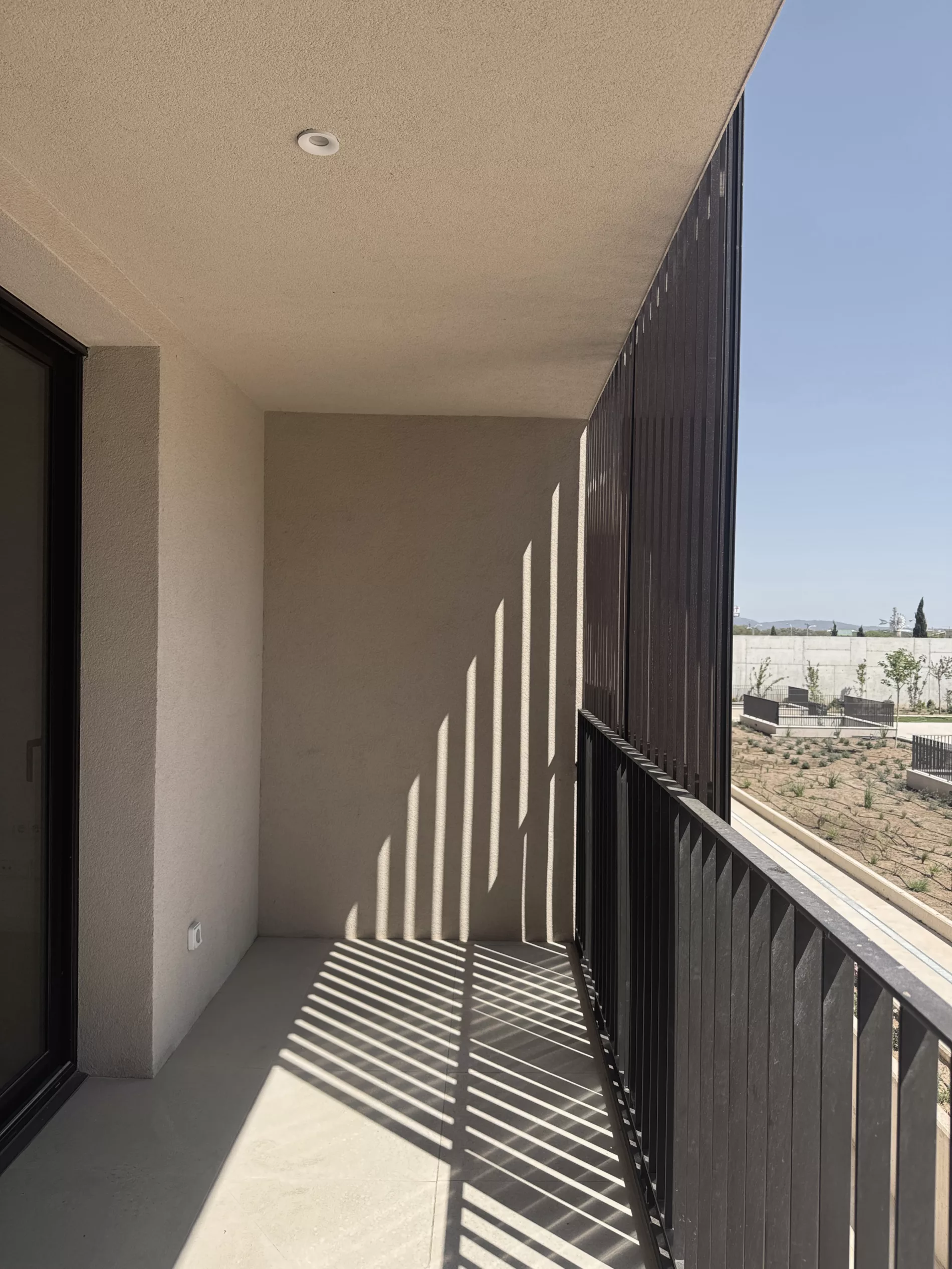
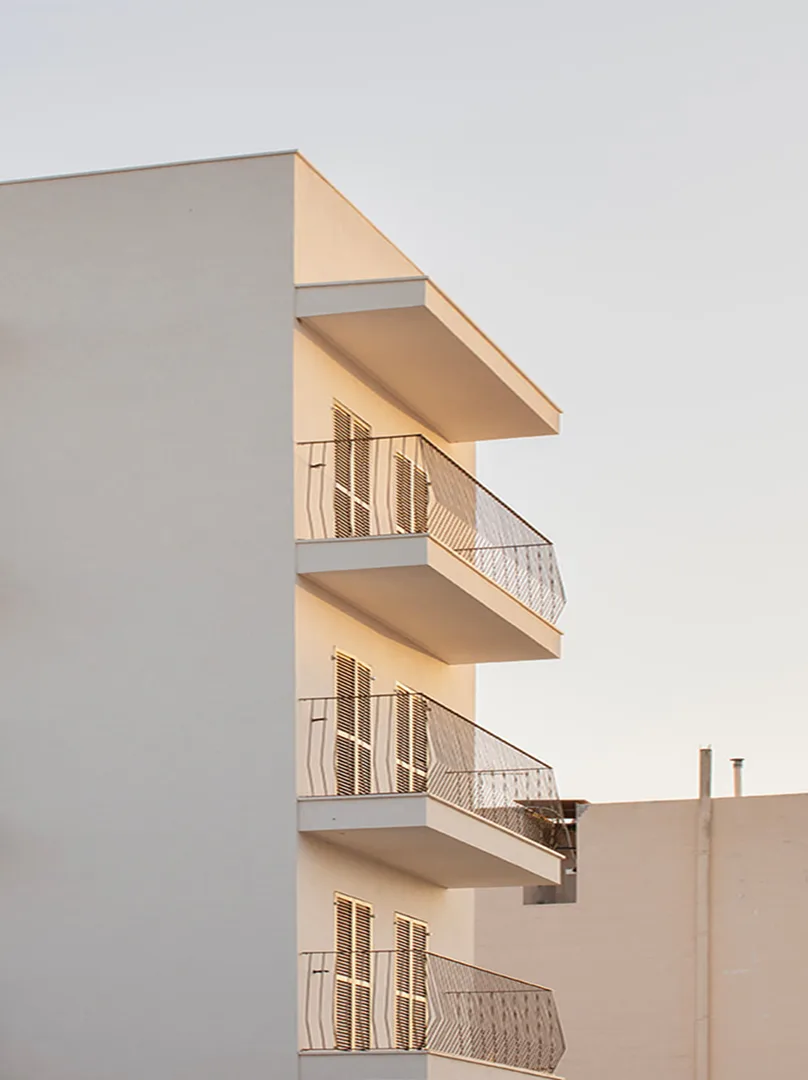
The 50 apartments that make up the Tomas Rullan residential complex are defined by their strong relationship with the landscaped central space of the plot, established through terraces and patios in each dwelling. Thanks to the Mediterranean climate, these outdoor areas become the true focal point of the home.
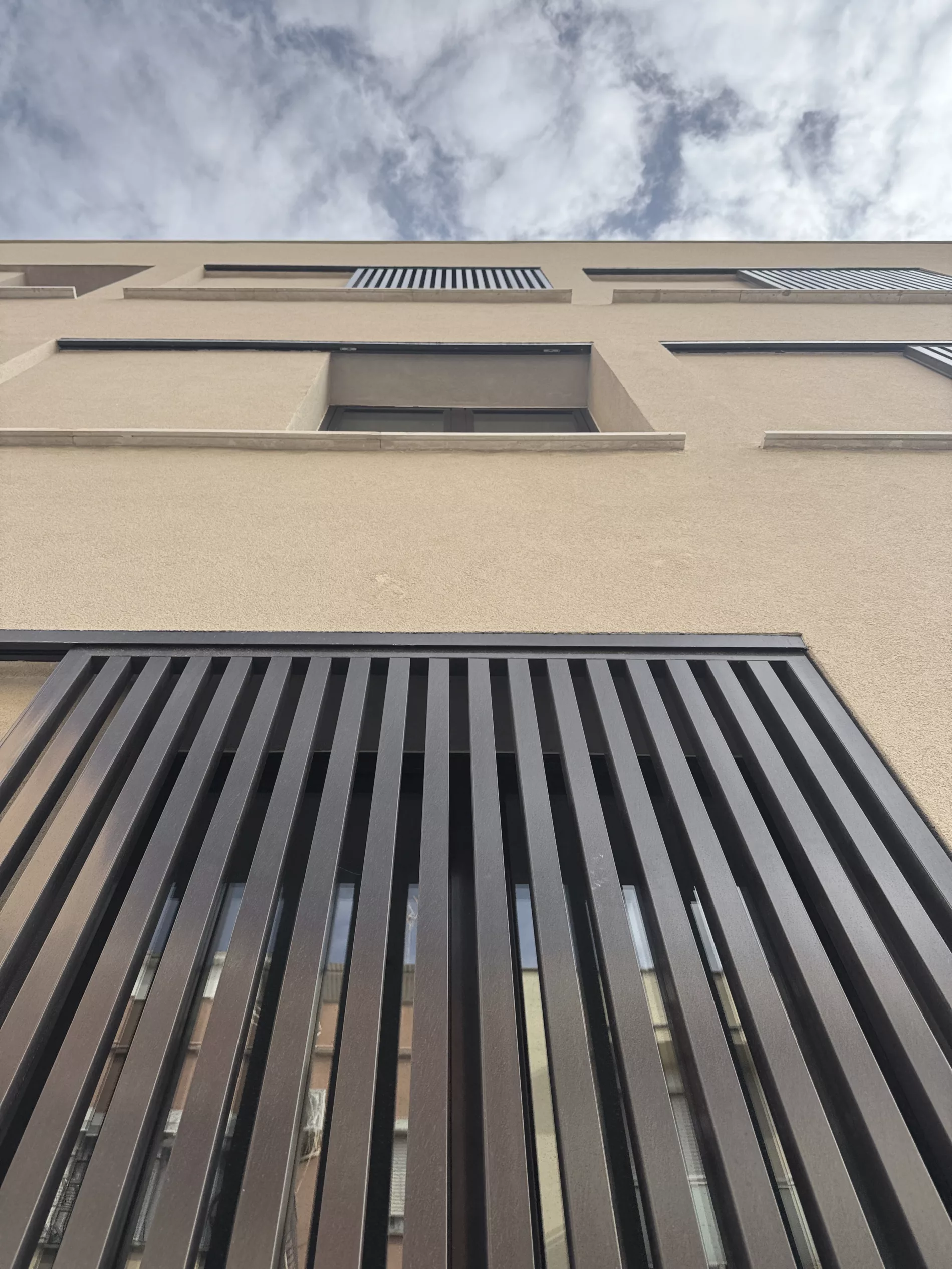
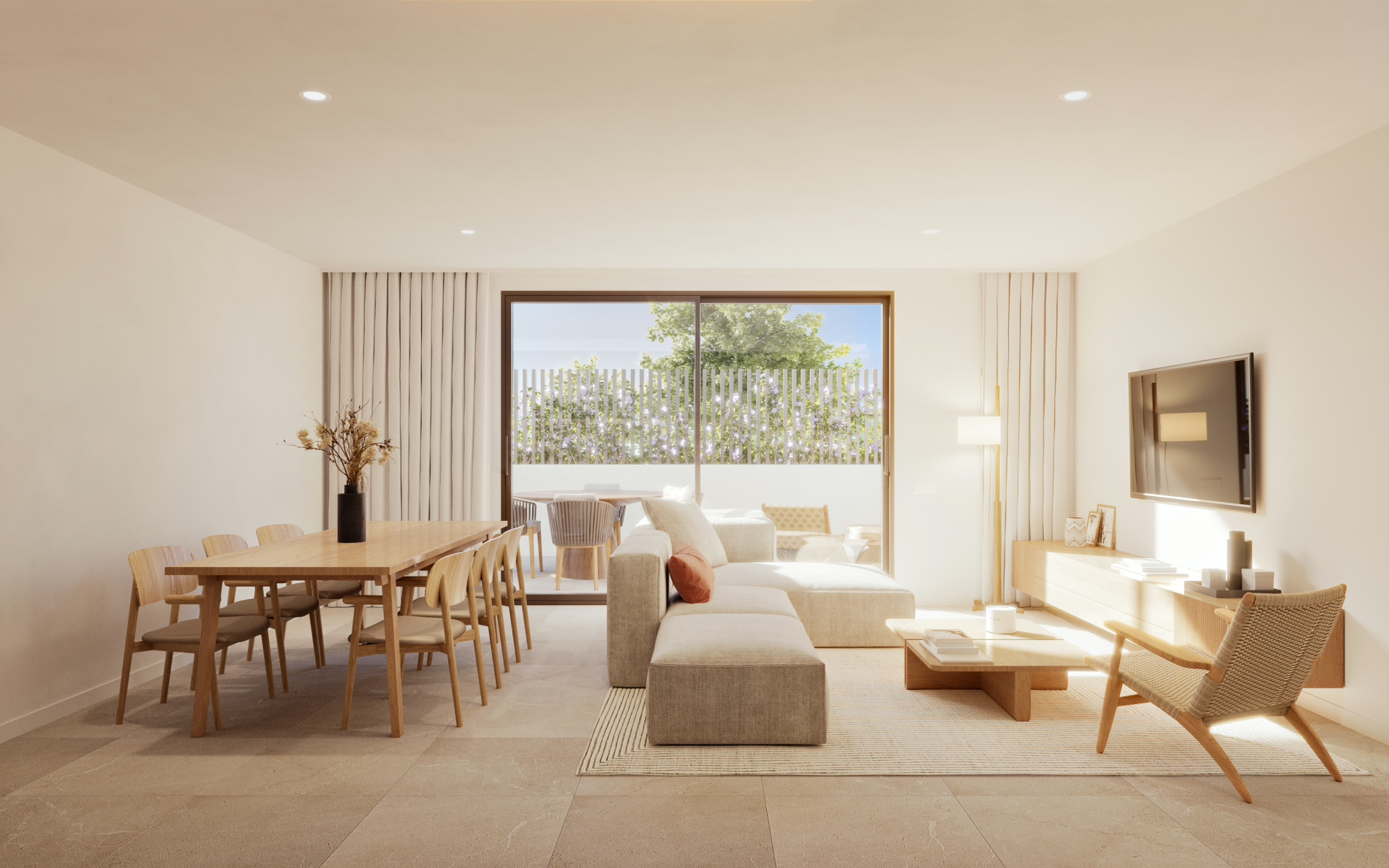
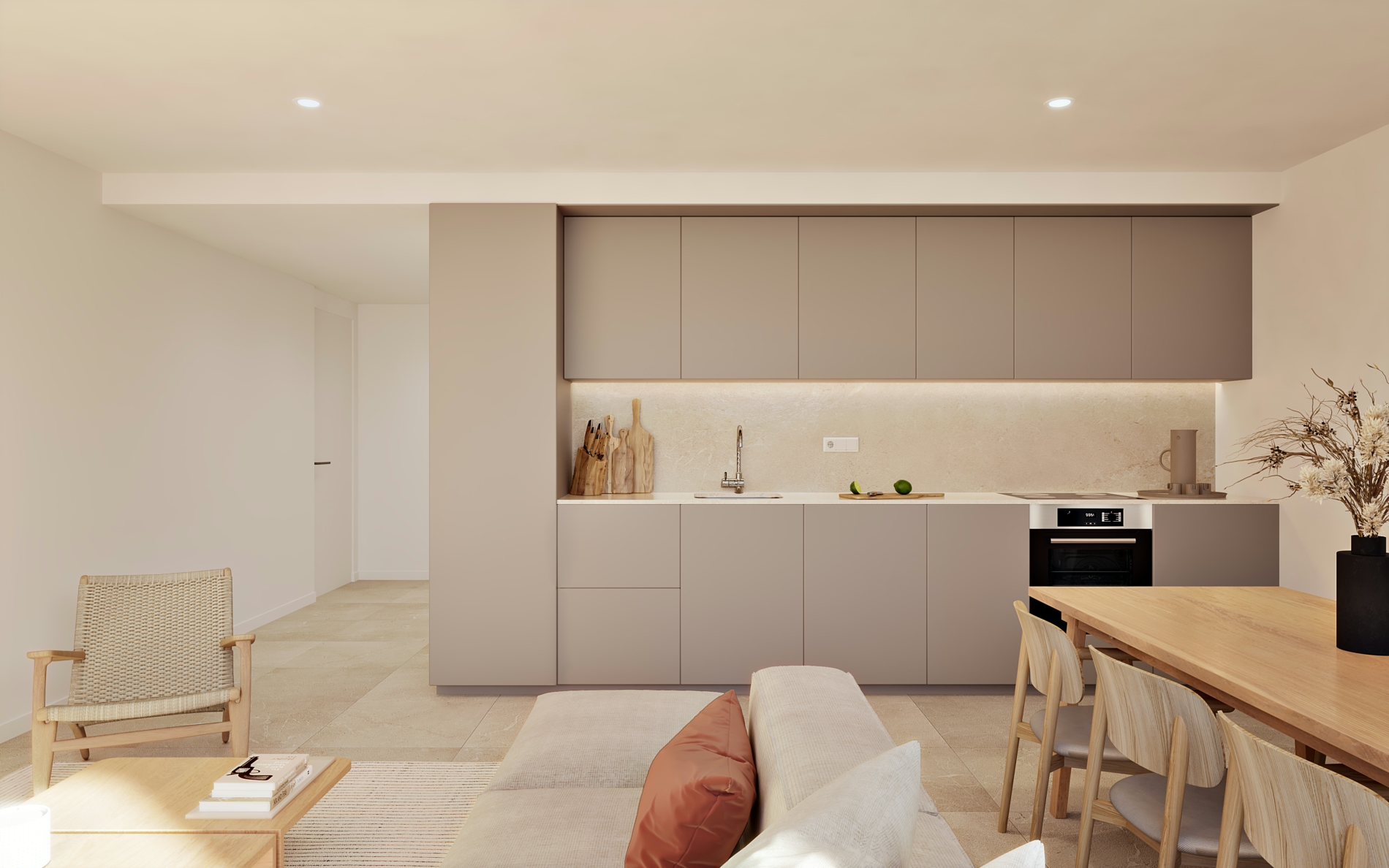
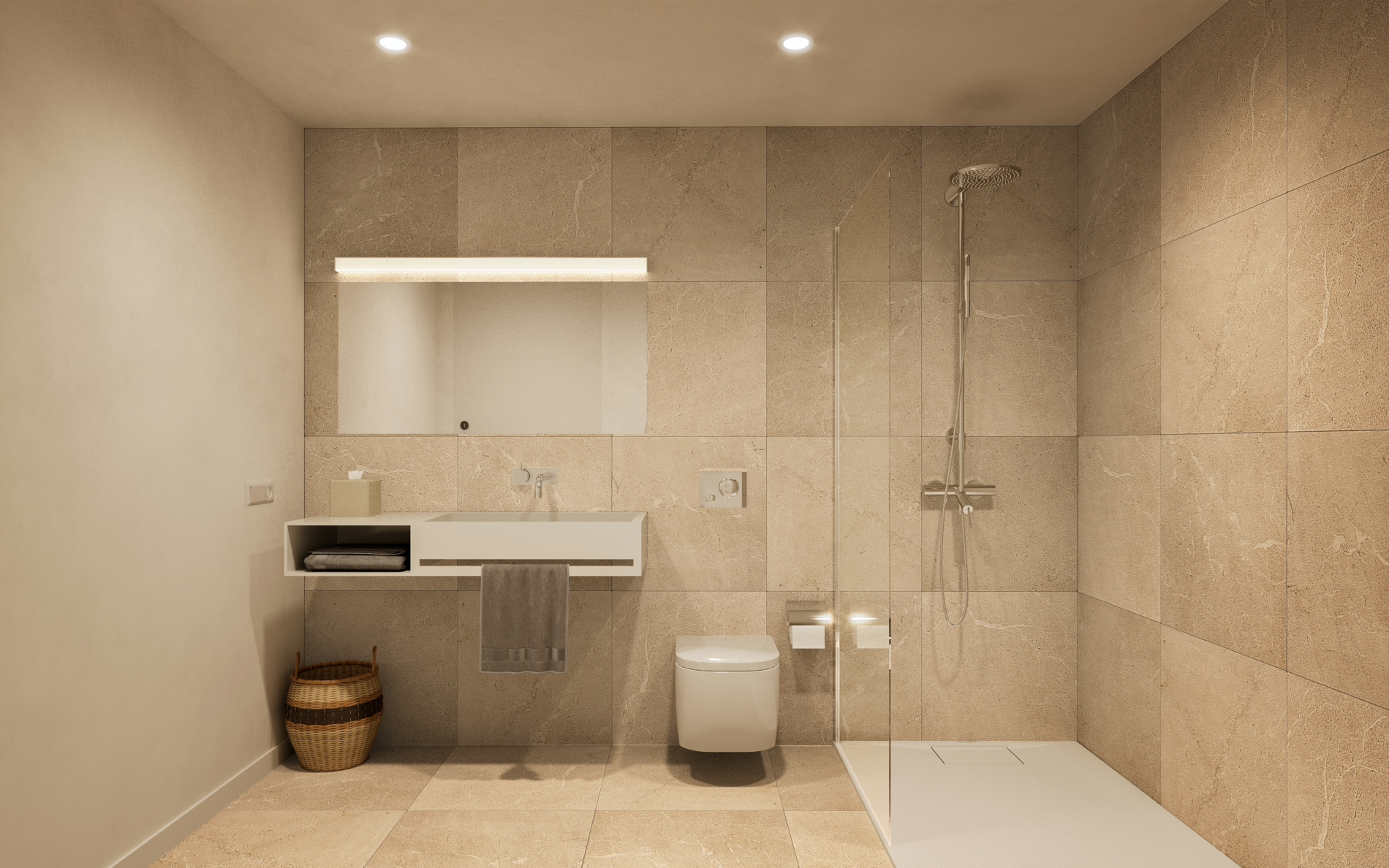
The interiors are warm and understated, with neutral tones referencing the materials and colours of traditional Mediterranean architecture, creating a relaxed, welcoming, and timeless atmosphere. These are functional apartments, where material selection has been driven by durability and low maintenance. These are functional apartments, where material selection has been driven by durability and low maintenance.